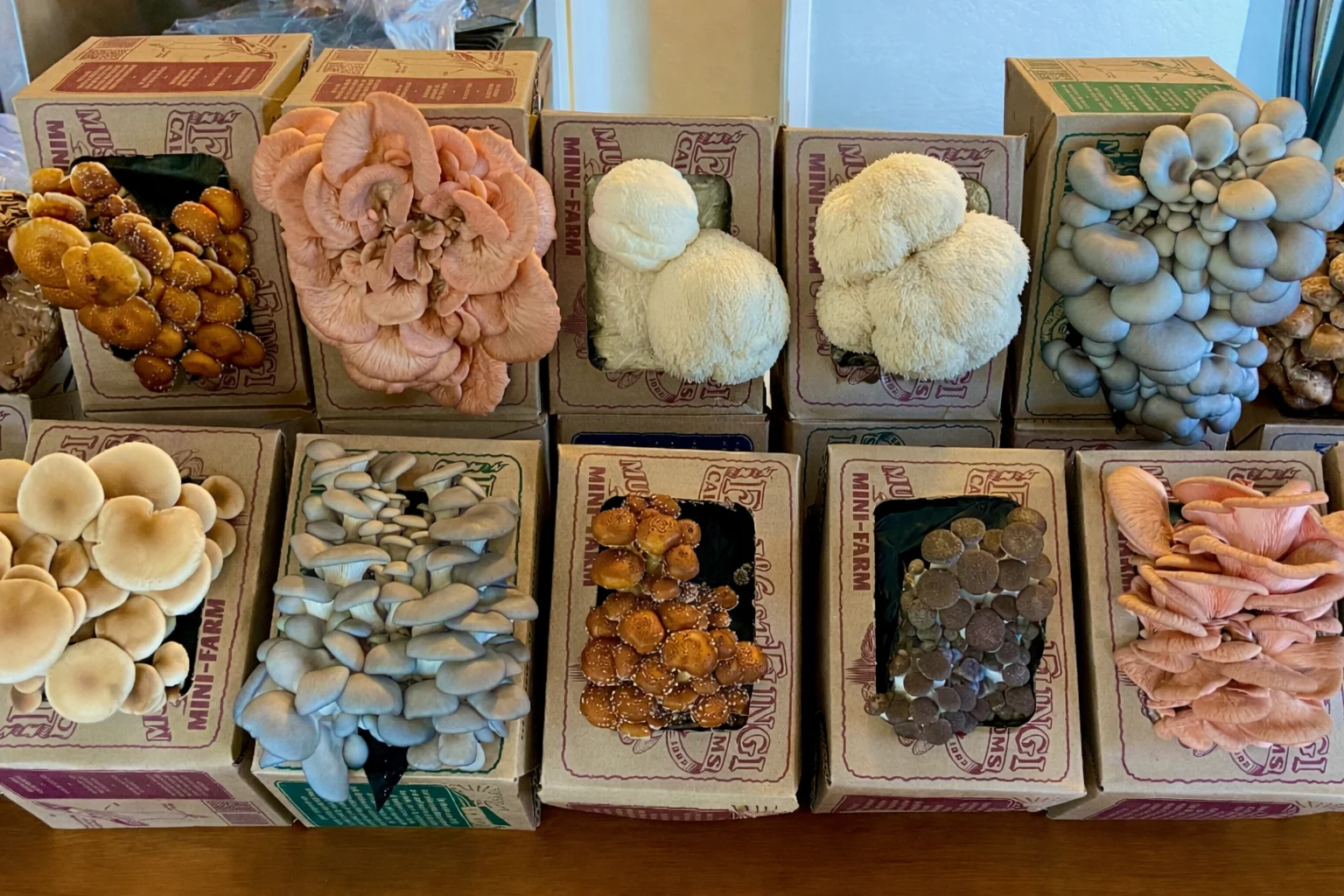
Functional mushrooms are gaining popularity among people looking to add unique, nutrient-rich foods and mushroom-based supplements to their everyday wellness routines. From Lion’s Mane and Reishi to Cordyceps, Chaga, Turkey Tail, Maitake, and Shiitake, different functional mushrooms contain naturally occurring compounds such as beta-glucans, polysaccharides, antioxidants, vitamins, and minerals.
At Denver Mushroom Store, we make it easier to explore different mushroom varieties, extracts, powders, and supplements. If you’re new to functional mushrooms, our Mushroom Guide is a useful place to learn about different species and their traditional and nutritional uses.
Important: Functional mushrooms are foods and dietary supplements, not cures for disease. Scientific evidence varies between mushroom species, preparations, doses, and individual products.

What Are Functional Mushrooms?
Functional mushrooms are mushroom species that people consume as foods, powders, extracts, teas, capsules, and other products because of their nutritional value and naturally occurring compounds.
One important group of compounds is beta-glucans. These complex polysaccharides occur naturally in fungal cell walls. Researchers have studied mushroom beta-glucans for their interaction with immune-related pathways and other biological processes.
In addition, traditional use and modern research have increased interest in mushrooms for areas such as cognitive wellness, immune health, antioxidant activity, energy metabolism, and general nutrition.
1. Lion’s Mane Mushroom — Cognitive Wellness
Lion’s Mane (Hericium erinaceus) stands out because of its white, cascading spines. Today, it is one of the most popular mushrooms for people interested in cognitive wellness.
This mushroom contains naturally occurring compounds such as hericenones, erinacines, polysaccharides, and beta-glucans. Researchers have examined these compounds and their possible relationship with neurological pathways and cognitive function.
For this reason, Lion’s Mane has attracted considerable scientific interest among people exploring mushroom-based wellness products.
How to Use Lion’s Mane
Lion’s Mane can be found as:
- Capsules
- Powder
- Extracts
- Coffee blends
- Functional beverages
- Fresh culinary mushrooms
Explore our shop to discover available mushroom products.
Popular wellness focus: Cognitive wellness, focus, and everyday mental performance.

2. Reishi Mushroom — Traditional Wellness
Reishi (Ganoderma lucidum) has a long history of traditional use in Asian cultures and remains one of the most recognized functional mushrooms.
Reishi contains naturally occurring polysaccharides, triterpenes, and other compounds that have been extensively investigated. Research has explored Reishi in connection with immune activity, inflammation, oxidative stress, and general wellness.
Its traditional history and ongoing scientific research make Reishi an important part of the world of functional mushrooms.
Reishi in a Daily Routine
Reishi is commonly available as:
- Extracts
- Capsules
- Powder
- Tea
- Coffee blends
Its naturally bitter flavor makes concentrated extracts and beverages popular choices.
Popular wellness focus: General wellness, relaxation routines, and traditional mushroom use.

3. Cordyceps — Energy and Active Lifestyles
Cordyceps has become particularly popular among athletes and people who maintain active lifestyles. Its naturally occurring compounds include polysaccharides and cordycepin.
Researchers have explored Cordyceps in relation to energy metabolism, exercise performance, oxygen utilization, and physical endurance. As a result, many people include Cordyceps products in energy-focused or exercise routines.
Cordyceps comes in several convenient forms, including capsules, extracts, powders, coffee, and functional drink blends.

4. Chaga — Antioxidant-Rich Mushroom
Chaga (Inonotus obliquus) is a distinctive fungus that commonly grows on birch trees in colder climates. Its unusual appearance makes it easy to recognize.
Chaga contains naturally occurring compounds such as polyphenols and melanin. These compounds have contributed to scientific interest in its antioxidant properties.
For those looking to diversify their mushroom routine, Chaga offers another option. People commonly consume it as tea, powder, extract, or as part of a coffee blend..

Turkey Tail — A Beta-Glucan-Rich Mushroom
Turkey Tail (Trametes versicolor) gets its name from its colorful, fan-shaped appearance. Beyond its distinctive look, this mushroom has received considerable scientific attention.
It contains naturally occurring polysaccharides and beta-glucans. Researchers have examined Turkey Tail and its compounds in relation to immune-related biological activity.
However, beta-glucan levels can vary between mushroom species. Growing conditions, processing, and extraction methods can also affect the final product.

6. Maitake — Culinary and Functional Nutrition
Maitake (Grifola frondosa), also known as Hen of the Woods, offers both culinary and nutritional versatility. Unlike some mushrooms that people mainly consume as extracts, Maitake works well in everyday meals.
It contains beta-glucans and other naturally occurring compounds that researchers have studied for their biological activity.
What’s more, you can enjoy Maitake as food or explore it in powder and extract forms. Try it in stir-fries, soups, rice dishes, grain bowls, roasted vegetables, and other mushroom recipes.y.

7. Shiitake — Everyday Mushroom Nutrition
Shiitake (Lentinula edodes) ranks among the world’s most widely consumed edible mushrooms. That makes it one of the easiest varieties to add to an everyday diet.
It provides protein, dietary fiber, vitamins, minerals, and naturally occurring bioactive compounds. Shiitake also contains beta-glucans, including lentinan, which has received significant scientific attention.
For a simple food-first approach, add Shiitake to stir-fries, soups, noodles, rice dishes, sauces, or vegetable meals.

Functional Mushrooms at a Glance
Different functional mushrooms have different nutritional profiles and areas of scientific interest. There is no single mushroom that is automatically the best choice for everyone.
| Mushroom | Common Wellness Interest | Popular Forms |
|---|---|---|
| Lion’s Mane | Cognitive wellness | Capsules, powder, extracts |
| Reishi | General wellness | Extracts, tea, capsules |
| Cordyceps | Energy and active lifestyles | Capsules, powder, extracts |
| Chaga | Antioxidant-rich nutrition | Tea, powder, extracts |
| Turkey Tail | Beta-glucans and immune research | Extracts, capsules |
| Maitake | Culinary and functional nutrition | Fresh, powder, extracts |
| Shiitake | Everyday nutrition | Fresh, dried, powder |
Why Beta-Glucans Matter in Functional Mushrooms
One of the most researched components of functional mushrooms is beta-glucan.
Beta-glucans are complex polysaccharides naturally found in fungal cell walls. Mushroom beta-glucans are structurally different from beta-glucans found in cereals such as oats and barley.
Research has investigated mushroom beta-glucans for their potential immunomodulatory and other biological effects. However, results can vary depending on mushroom species, preparation, extraction method, and study design.
When comparing mushroom supplements, consumers interested in beta-glucans should look at the species, extraction method, serving size, and beta-glucan information provided by the manufacturer.
For more information, explore our Mushroom Guide.
Mushroom Powders vs. Extracts vs. Capsules
Mushroom powders can be mixed into smoothies, coffee, tea, soups, sauces, and recipes.
Mushroom extracts are processed to concentrate particular mushroom compounds and are often used when consumers want a more concentrated format.
Mushroom capsules provide convenience and a measured serving, making them useful for people who prefer not to taste mushroom powders or teas.
Browse our Featured Products to explore different mushroom product formats.
How to Build a Mushroom Routine
You do not need to use every mushroom at once. Instead, start with one variety that suits your lifestyle and gradually build a routine.
In the morning, you could add Cordyceps or Lion’s Mane to a suitable beverage or supplement routine.
During the afternoon, a Lion’s Mane product or mushroom beverage may fit naturally into your schedule.
In the evening, some people prefer Reishi tea or another Reishi product as part of a relaxing routine.
With meals, Shiitake and Maitake provide a simple food-based way to add more mushrooms to your diet.
Improve the final section:
Final Thoughts
The world of mushroom wellness extends far beyond the familiar button mushroom. From Lion’s Mane and Reishi to Cordyceps, Chaga, Turkey Tail, Maitake, and Shiitake, each variety offers a different nutritional profile and area of scientific interest.
Rather than searching for one “best” mushroom, consider your lifestyle, dietary preferences, and individual needs. Most importantly, use mushroom foods and supplements as part of a balanced lifestyle that includes nutritious food, regular activity, adequate sleep, and good hydration.
Explore Denver Mushroom Store to discover mushroom products and educational resources.
How to Choose Quality Functional Mushrooms
Not every mushroom supplement is made the same way. When choosing functional mushrooms, look for clear information about:
- Exact mushroom species
- Scientific name
- Serving size
- Amount per serving
- Beta-glucan content where available
- Extraction method
- Ingredient list
- Quality testing
- Manufacturer information
Transparency matters because mushroom beta-glucan composition can vary according to species, cultivation conditions, processing, and extraction.
Explore our Products Categories to browse different mushroom products.
Functional Mushrooms and a Balanced Lifestyle
The best way to approach functional mushrooms is as one component of an overall healthy lifestyle.
A balanced routine can include:
- Nutritious whole foods
- Regular physical activity
- Adequate sleep
- Hydration
- Stress-management practices
- Appropriate mushroom foods or supplements
Functional mushrooms should complement healthy habits rather than replace them.
Frequently Asked Questions About Functional Mushrooms
What are functional mushrooms?
Functional mushrooms are mushroom species used as foods or supplements because of their nutritional value and naturally occurring bioactive compounds.
What are the most popular functional mushrooms?
Some of the most popular varieties include Lion’s Mane, Reishi, Cordyceps, Chaga, Turkey Tail, Maitake, and Shiitake.
Which functional mushrooms contain beta-glucans?
Many mushroom species contain beta-glucans, including Reishi, Lion’s Mane, Shiitake, Turkey Tail, Maitake, and others. The amount can vary considerably between species and products.
Can functional mushrooms be eaten as food?
Yes. Shiitake and Maitake are commonly consumed as culinary mushrooms. Other varieties are more frequently used in teas, powders, extracts, or capsules.
Are functional mushrooms the same as psychedelic mushrooms?
No. Functional mushrooms such as Lion’s Mane, Reishi, Cordyceps, Chaga, Turkey Tail, Maitake, and Shiitake are different from psychedelic mushrooms containing compounds such as psilocybin.
Can everyone use functional mushroom supplements?
Not necessarily. People taking medications, living with medical conditions, pregnant or breastfeeding individuals, or anyone uncertain about supplement use should speak with a qualified healthcare professional before using mushroom supplements.
Final Thoughts
The world of functional mushrooms goes far beyond the familiar button mushroom. Lion’s Mane, Reishi, Cordyceps, Chaga, Turkey Tail, Maitake, and Shiitake each provide different nutrients and naturally occurring compounds worth exploring.
Whether you are interested in cognitive wellness, energy-focused routines, beta-glucans, antioxidant-rich nutrition, or simply adding more mushroom variety to your diet, learning about different functional mushrooms can help you make more informed choices.
Explore the Denver Mushroom Store to discover mushroom products, educational resources, and our growing selection of functional mushrooms.
Scientific Resources
For additional information about mushroom beta-glucans, see the peer-reviewed review Edible Mushrooms and Beta-Glucans: Impact on Human Health.
You can also read The Mushroom Glucans: Molecules of High Biological and Medicinal Importance for additional scientific background.